
Sun, Heat and Low Miles: Why Florida Tires Wear Out Faster
Why Florida
tires age early, how to tell how old yours really are, and what you can do to
get the most safe miles out of every set.
If
you drive in Nokomis, Venice or anywhere along the Suncoast, your tires can
wear out faster, even before the tread does. Plenty of local drivers put fewer
miles on their cars than they did up north. A quick trip to Publix, a drive to
the beach at Casey Key, a round of golf, then the car sits in the driveway or
carport until the next errand.
That
sounds easy on tires, and in one way it is: the tread lasts longer. But tread
depth is only half the story. Rubber ages whether the car moves or not, and
Southwest Florida’s year-round sun, high heat and humidity speed that aging up.
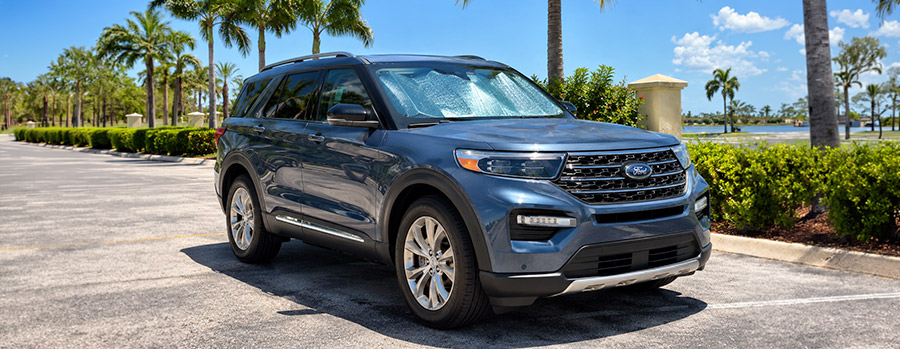
The
result is a tire that looks fine at a glance, with plenty of tread left, but
has hardened, cracked or weakened on the inside.
Why Florida
Sun and Heat Are So Hard on Rubber
A
modern tire is a blend of rubber compounds, oils, steel belts and fabric cords.
When new, the rubber is flexible enough to grip the road and absorb bumps. Over
time, three Florida conditions break it down.
UV exposure. Ultraviolet light attacks
the chemical bonds in rubber. Tire makers add protective compounds that migrate
to the surface as the tire flexes, but a parked tire doesn’t flex. On a car
that sits in a sunny driveway most of the day, the sidewall facing the sun
takes the worst of it.
Heat. Heat speeds up oxidation - the
same slow chemical process that makes an old rubber band brittle. Asphalt on
US-41 and I-75 gets far hotter than the air on a summer afternoon, and tires
run hot even on short drives. Heat caused by hot climates can speed up tire
aging and may mean replacing tires more often.
Ozone and humidity. Ozone in the air and
moisture work on the rubber’s surface, adding to the fine cracking you may see
on sidewalls and in tread grooves.
As
the oils in the compound break down, the rubber hardens. A hardened tire grips
less, especially on wet roads during an afternoon thunderstorm. It also flexes
less, which puts more stress on the internal belts. In the worst case, the
tread can separate from the casing at highway speed.
The Low-Mileage Trap
Most drivers judge
tires by tread depth, and for good reason: tread is what keeps you from
hydroplaning. But on a car that covers 5,000 or 6,000 miles a year, the tread
may take eight or ten years to wear out. Long before that, the rubber has aged
past its safe service life.
This catches a lot
of Southwest Florida drivers, including:
•
Seasonal residents whose car sits in a garage or storage for six months at a time
•
Retirees who mostly drive short local trips
•
Second-car owners with a weekend convertible, a beach car or a truck used mainly for
towing the boat
•
Anyone who rarely checks the
spare, which may be as old as the vehicle
A tire that sits
still also develops flat spots where it rests on the ground, and can slowly
lose air without anyone noticing. Low pressure plus heat is a fast route to
sidewall damage.
How to Tell
How Old Your Tires Really Are
Every
tire sold in the U.S. carries a DOT code on its sidewall. The last four digits
are the date it was made: the first two are the week and the last two are the
year.
For
example, 2321 means the tire was built in the 23rd week of 2021, or early June
2021. If those four digits aren’t on the side facing out, they may be on the
inside sidewall. Our technicians can check them for you during any visit.
Keep
in mind that a tire’s clock starts when it’s made, not when it’s installed. A
"new” tire that sat in a warehouse for a year is already a year old.
Heat, Tire
Pressure and the Morning Check
Air
expands when it warms and contracts when it cools. Tires lose about 1 psi a
month on their own, plus roughly 1 psi for every 10-degree change in outside
temperature. In Florida, that swing can happen between a cool January morning
and a warm afternoon.
That
matters for two reasons. An underinflated tire flexes too much, builds up extra
heat and wears its outer edges faster. An overinflated tire rides harshly,
wears the center of the tread and has less rubber touching the road.
For
an accurate reading:
1.
Check pressure in the morning,
before you drive or after the car has sat for a few hours.
2.
Use the pressure on the label
inside the driver’s door jamb, not the maximum number molded on the tire.
3.
Check all four tires and the
spare at least once a month.
4.
Don’t let air out of a hot tire
to "correct” a high reading. It will read low once it cools.
If
your Ford’s tire pressure warning light comes on, treat it as a reason to stop
and check, not a light to ignore until your next service.
Warning Signs
Your Tires Have Aged Out
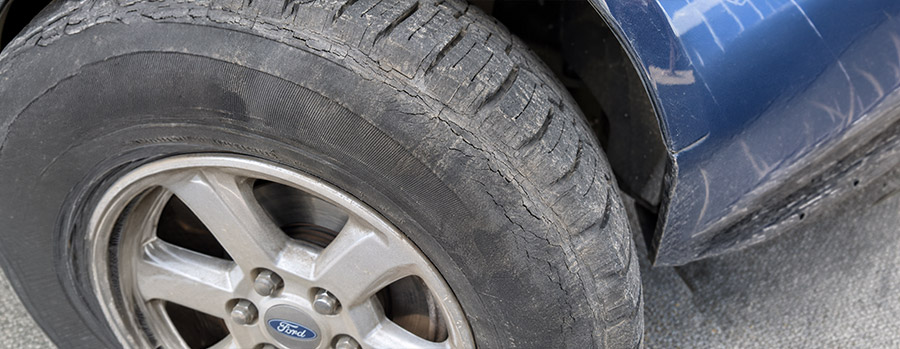
You
don’t need to wait for a blowout to know a tire is done. Look for:
•
Fine cracks in the sidewall or in the bottom of the tread grooves, often called
dry rot or weather checking
•
Bulges, blisters or bubbles on the sidewall, a sign the internal structure is damaged
•
Hard, shiny or faded rubber that looks gray instead of black
•
A tire that keeps losing air with no nail or puncture you can find
•
New vibration at highway speed, or the car pulling to one side
•
Less grip in the rain especially when braking
If
you see any of these, have the tire inspected before your next highway trip.
How to Get
More Safe Miles From Your Tires
You
can’t stop rubber from aging, but you can slow it down:
1.
Park in the shade when you
can. A garage, carport or shaded spot cuts UV
exposure. A car cover helps.
2.
Keep pressure correct. Proper inflation is the single biggest factor in how evenly tires
wear and how cool they run.
3.
Drive the car. Even a 20-minute drive every week or two helps the tire flex and
refresh its protective compounds, and keeps flat spots from setting in.
4.
Rotate on schedule. Rotation evens out wear between front and rear. Follow the interval
in your Ford’s maintenance schedule.
5.
Check alignment after
hitting a pothole or curb. Misalignment wears tires
unevenly and can show up as a pull or an off-center steering wheel.
6.
Clean, don’t shine. Rinse off salt, sand and road grime with mild soap and water. Avoid
petroleum-based tire shine products, which can dry out rubber over time.
7.
Prepare for storage. Before leaving for the summer, inflate tires to the door-jamb
pressure and park on a clean, dry surface. When you return, check pressure and
look for cracks before your first drive.
8.
Don’t forget the spare and
the trailer. Boat and utility trailer tires sit in
the sun for long stretches and often age out long before they wear out.
Frequently Asked
Questions
My tires
have plenty of tread. Do I really need new ones?
You do if the
tires have crossed their mandated expiration date. Age-related damage is often
inside the tire, where you can’t see it.
Does
parking in a garage make a difference?
Yes. Keeping
tires out of direct sun and heat slows rubber breakdown, especially on a car
that sits for weeks at a time.
Can a tire
shop repair dry rot?
No. Cracking
from age and UV exposure can’t be patched. Once it reaches the tread grooves or
the sidewall, the tire should be replaced.
How often
should I check my tire pressure in Florida?
At least once
a month and before any long drive, when the tires are cold.
Get a Tire
Age and Condition Check at Matthews-Currie Ford
Whether
you’ve just come back for the season or your car mostly makes short trips
around town, it’s worth knowing how old your tires really are. The
factory-trained technicians at Matthews-Currie Ford can read your tire date
codes, inspect for cracking and uneven wear, set the correct pressure and
recommend the right replacement tires for your Ford when it’s time.
Visit
Matthews-Currie Ford at 130 N Tamiami Trail, Nokomis, FL 34275, serving drivers
in Nokomis, Venice, Osprey, Laurel and North Port. Schedule your service
online today. We’ll check your tires and get you back on the road with
confidence.
This article is for general informational purposes only. Always refer to your vehicle’s owner’s manual for maintenance schedules and specifications, and consult a qualified technician about your specific vehicle.