
Door Lock Problems: What Causes Locks to Stop Working?
Your Ford's door locks are essential for vehicle security and everyday convenience. Whether you're unlocking your vehicle before heading out along Tamiami Trail or securing it after a drive around Nokomis, you expect the locks to respond when needed. When they become unreliable, accessing or securing your vehicle can quickly turn into a frustrating experience.
A Ford
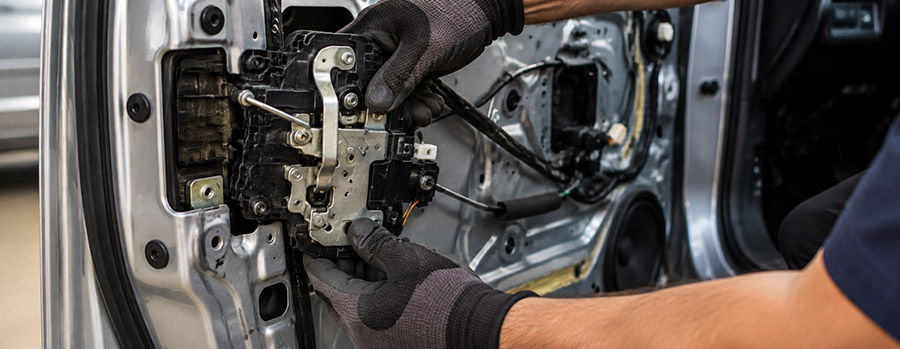
door lock malfunction can have several causes. A weak key fob battery, worn
door lock actuator, damaged wiring, or a faulty latch can all interfere with
normal operation. Some problems affect only one door, while others prevent the
entire power locking system from working.
Recognizing
the symptoms can help you understand what might be happening and when
professional attention is necessary. Here's what Ford owners should know about
common door lock issues and how they can be addressed.
How to Recognize a Faulty Ford Door Lock
Door
lock problems can develop gradually rather than appearing as a complete
failure. You may notice that a door responds slowly, requires several attempts
to unlock, or makes an unfamiliar sound during operation.
Common
warning signs include:
·
Unresponsive locks: The doors do not respond to the key fob or interior power lock switch.
·
Individual door failure: One door remains locked or unlocked while the others work normally.
·
Unusual noises: Clicking or buzzing sounds come from inside the door without the lock
moving properly.
·
Inconsistent operation: The locking system works intermittently without an obvious reason.
·
Remote entry problems: The key fob works only at close range or fails to activate the locks.
·
Mechanical resistance: The lock releases, but the door remains difficult to open.
Pay
attention to whether the problem affects one door or several. This distinction
can help narrow down the possible causes, although proper testing is needed to
confirm the fault.
1. Weak Key Fob Battery or Remote Malfunction
If your
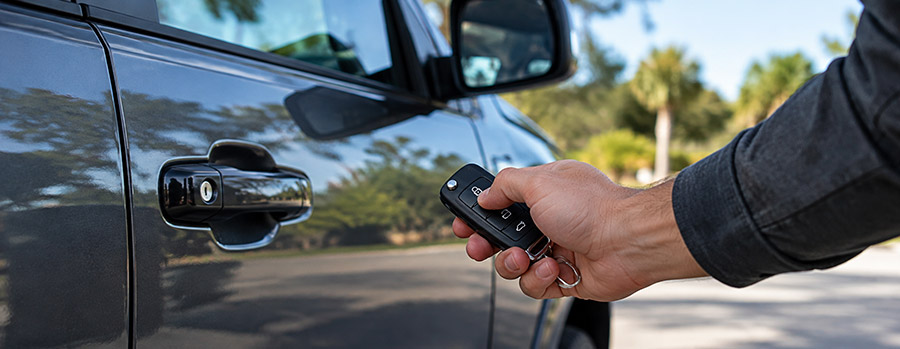
Ford does not respond when you press the remote's lock or unlock button, the
key fob battery is one of the first things to consider.
As the
battery loses power, the remote may have a shorter operating range or require
repeated button presses. Eventually, it may stop transmitting a usable signal.
You
might notice that the interior power lock switch continues to work even though
the remote does not. This can indicate a problem with the key fob or remote
entry system rather than the door lock hardware.
Replacing
the battery may restore normal operation if the battery is responsible. Check
your owner's manual for the correct battery type and replacement procedure.
If the
remote remains unresponsive after a replacement, the key fob itself, its
buttons, or the vehicle's remote entry system may need further inspection.
2. A Worn or Failed Door Lock Actuator
The door
lock actuator is an electromechanical component that converts an electrical
command into movement within the locking mechanism. Over time, wear or internal
failure can prevent it from operating correctly.
A faulty
actuator may cause one door to remain locked, unlock only occasionally, or move
only partway. You may also hear clicking or buzzing from inside the affected
door.
For
example, if your Ford Escape's other doors respond normally but one passenger
door refuses to unlock, the actuator or its electrical connections could be
responsible.
However,
an unresponsive door does not automatically mean the actuator has failed.
Wiring damage, a faulty connector, or a binding latch can cause similar
symptoms.
Professional
diagnosis helps determine whether the actuator needs replacement or whether
another component is responsible. This reduces the risk of replacing parts
unnecessarily.
3. Damaged Wiring and Electrical Connections
Power
door locks rely on electrical circuits connecting switches, actuators, control
modules, and other components. If wiring becomes damaged or a connector
develops a poor connection, the system may stop responding correctly.
Wires
running between a door and the vehicle body experience repeated movement
whenever the door opens and closes. Over time, this movement can contribute to
internal wire breaks or connection problems.
Possible
symptoms include intermittent locking, multiple electrical features in one door
failing, or locks that stop working under certain conditions.
A
technician may inspect connectors, test circuit continuity, and check whether
the actuator receives the correct electrical command. These checks help
distinguish wiring problems from failed locking components.
Replacing
an actuator without checking its power supply and wiring may leave the original
issue unresolved.
4. Blown Fuses or Electrical Supply Issues
Your
Ford's electrical system uses fuses to protect circuits from excessive current.
If a fuse associated with the door locking system fails, some or all affected
functions may stop working.
If
multiple doors become unresponsive at the same time, the cause could involve a
fuse, shared power supply, control circuit, or electronic module.
Consult
your owner's manual for the fuse information specific to your vehicle's model
and year. If a fuse needs replacement, always use the specified rating.
A fuse
that repeatedly blows may indicate an underlying electrical problem, such as a
short circuit. Installing another fuse without addressing the cause will not
provide a lasting solution. Professional electrical diagnosis can help identify
the fault safely.
5. Damaged Door Latch or Mechanical Locking
Components
Not
every door lock problem originates in the electrical system. Mechanical
components inside the door can wear out, bind, or become damaged over time.
The
latch assembly keeps the door securely closed and works with the locking
mechanism to control access. If the latch, internal linkage, or handle
mechanism malfunctions, the door may remain stuck even when the lock receives
an electrical command.
You
might hear the actuator operating without the lock releasing fully. In other
cases, the door may unlock but remain difficult to open because the latch is
not releasing properly.
Avoid
forcing a stuck handle or repeatedly operating a jammed lock. Doing so may
damage additional components. An inspection can determine whether the mechanism
needs adjustment, repair, or replacement.
6. A Faulty Interior Power Lock Switch
The
interior power lock switch lets you control your Ford's doors without using the
key fob. Repeated use, contamination, internal wear, or electrical failure can
prevent the switch from sending the correct command.
If the
locks work with the remote but not with the interior switch, the switch or its
wiring may be responsible.
If
neither control operates a particular door, the problem could instead involve
the actuator, wiring, latch, or another part of the locking circuit.
Testing
the system through different controls can provide useful clues, but further
electrical checks may be needed to confirm the cause.
7. Electronic Control or Remote Entry System
Faults
Modern
Ford vehicles use electronic systems to manage convenience features such as
power door locks and remote entry. Depending on the model and equipment, these
functions may involve body electronics and remote keyless entry components.
A fault
within the relevant system can interrupt locking commands or cause several
doors to behave inconsistently.
Possible
symptoms include multiple locks failing simultaneously, unreliable remote
operation, or unusual behavior involving related electronic features.
Technicians
may scan for diagnostic trouble codes, inspect electrical circuits, and check
communication between relevant modules. These possibilities are generally
investigated after simpler causes, such as a weak key fob battery, faulty
actuator, or damaged wiring, have been considered.
Ford Door Lock Troubleshooting: Symptoms and
Possible Causes
|
Symptom
|
Possible Cause
|
Recommended Action
|
|
Remote fails,
but interior switches work
|
Weak battery or faulty
key fob
|
Check the battery and
remote
|
|
One door will
not respond
|
Actuator, wiring, or
latch problem
|
Have the affected door
inspected
|
|
All power
locks stop working
|
Fuse, power supply, or
control system fault
|
Check the owner's manual
and arrange diagnosis
|
|
Clicking
inside a door
|
Actuator or mechanical
issue
|
Have the locking
mechanism tested
|
|
Locks operate
intermittently
|
Wiring, switch, or
connection fault
|
Note when the problem
occurs
|
|
Door unlocks
but will not open
|
Latch or handle mechanism
problem
|
Avoid forcing the door
|
These
observations can help narrow down the possibilities, but a professional
inspection may be necessary to identify the exact cause. If a door cannot be
secured or remains stuck, arrange service promptly.
Schedule Ford Door Lock Repair at
Matthews-Currie Ford
Reliable
door locks help protect your vehicle and make everyday driving more convenient.
Whether your key fob has stopped responding, a single door refuses to unlock,
or several locks have become unreliable, identifying the underlying problem is
the first step toward a lasting repair.
At Matthews-Currie
Ford, located at 130 N Tamiami Trail, Nokomis, FL 34275, our service team
can help investigate Ford door lock concerns involving actuators, electrical
connections, switches, latches, and related vehicle systems.
Proper
diagnostics help determine which components need attention rather than relying
on guesswork. Addressing the problem promptly can also help prevent access or
security issues from becoming more disruptive.
If your
Ford's door locks are not working as they should, schedule a service
appointment with Matthews-Currie Ford. Our team can help identify the source of
the malfunction and work toward restoring dependable locking and unlocking
operation.
Visit Matthews-Currie Ford in Nokomis, Florida, to schedule Ford service and have your door lock concerns inspected.